
The Value of Strategic Partnerships in Driving the Next Era of Silicon Photonics
Silicon photonics (SiPh) is a proven platform in data centers and telecoms, now poised to power next‑generation applications such as quantum computing, LiDAR, biosensing and AI acceleration. The UK has a strong starting position, with world‑leading research, open‑access fabrication initiatives like CORNERSTONE, and an emerging ecosystem of photonics SMEs, but faces persistent hurdles around integration cost, toolchain maturity, and fragmented collaboration across the value chain.
This case study examines how the CORNERSTONE Photonics Innovation Centre (C‑PIC) is designed to address these challenges by acting as the national hub for SiPh innovation. It combines industry‑aligned fabrication, open‑access design enablement and early engagement with industry, investors and application specialists to de‑risk prototyping and ensure designs meet real‑world system and market requirements. By lowering barriers to prototyping, coordinating stakeholders and accelerating the volume and breadth of SiPh projects, C‑PIC increases the UK’s chances of capturing high‑value applications and securing a long‑term leadership position in the global SiPh supply chain.
Silicon photonics (SiPh) is already a proven technology in optical communications and data centres, where its bandwidth, energy efficiency and CMOS compatibility have transformed how data moves. It now stands at the threshold of a broader technology transition. However, the next era of SiPh will not be defined solely by faster links but by its ability to enable new applications – quantum computing, LiDAR, advanced biosensing, AI accelerators – and potentially unlock new markets as these applications mature.
This expansion is the logical progression of a platform underpinned by decades of research excellence, mature semiconductor processes, and a rapidly evolving design ecosystem. The UK, in particular, has a strong foundation to build on: world-class academic expertise, a growing base of photonics SMEs, and a track record of innovation punching well above its manufacturing weight.
Yet opportunity alone does not guarantee success. Adoption depends equally on economics and ecosystem readiness as on technical capability, with integration costs, toolchain maturity, and system-level interoperability remaining major challenges.
Overcoming these hurdles requires more than incremental R&D, it demands strategic coordination. The UK must now align research, infrastructure, and industry to accelerate adoption. Strategic partnerships – like those fostered by the UK’s CORNERSTONE Photonics Innovation Centre (C-PIC) – are essential to unlocking SiPh’s next phase of innovation.
From Academic Excellence to Industrial Impact
The UK’s strength in SiPh is rooted in decades of world-class research, with the University of Southampton’s Optoelectronics Research Centre (ORC) playing a pivotal role. Since 1989, the ORC has driven breakthroughs from optical fibre – the backbone of the internet – to advances in lasers, sensing and biosciences.
Building on this foundation, the CORNERSTONE open-access foundry, launched in 2014, proved how giving academics, start-ups and SMEs affordable access to advanced SiPh fabrication could spark a thriving ecosystem of photonics companies and research groups. Launched in early 2025, C-PIC is the next logical step: as the UK’s dedicated Innovation and Knowledge Centre (IKC) for photonics innovation, it acts as the national focal point for SiPh – connecting research excellence with industry, investors and application specialists.
With SiPh growing at a projected 26–30%[1][2] CAGR to 2030 and identified as a key element of the UK’s National Semiconductor Strategy[3], the stakes are high. Turning research leadership into scalable products is critical for both the technology itself and the UK’s position in the global market.
C-PIC is designed to support this growth by combining state-of-the-art fabrication, aligned with industry standards, with expert design enablement via an open-access platform. More importantly, it reduces the risks that often prevent early-stage technologies from reaching commercialisation by linking innovators with industry partners early, ensuring that designs are shaped around real-world performance and system requirements.
But infrastructure alone is not enough. Turning research breakthroughs into market-ready products requires coordination across the entire value chain, from foundries and systems integrators to investors and end-users. This is where the UK must now focus its efforts.
Strategic Partnerships as Engines of Innovation
SiPh has already proven its value in data centres and telecoms, and its potential to tackle AI’s speed and power challenges is well recognised. Broader adoption, however, will depend as much on strong economic drivers and coordinated collaboration as on technical progress. A functioning ecosystem where players across the value chain connect is essential to turning breakthroughs into commercial success.
Partnerships are central to this. Engineers and foundries need to refine processes together; systems integrators and application developers must collaborate early to create market-ready solutions; and investors should engage ahead of scale-up to ensure production readiness. No single player can achieve this alone, and without coordination, promising innovations risk stalling in the lab.
The UK has already shown the power of collaboration and lowering the barriers to advanced fabrication. Open-access initiatives like CORNERSTONE have empowered academics, startups, and SMEs to rapidly prototype and test new designs, fuelling a vibrant photonics ecosystem. That momentum is now translating into commercial success: since 2023, ChipStart UK, the nation’s leading semiconductor incubator, has helped companies raise over £25 million in early-stage funding, with 40-50% focused on photonics. More broadly, around 5,000 UK companies design and manufacture electronic systems, 90% of them SMEs. To remain competitive, these highly innovative companies work with the very latest semiconductor and photonic technologies – they represent a huge opportunity for growth, underscoring the need for coordinated support to scale technologies into products.
Industry engagement is equally critical, with input from sectors such as quantum, biosensing, AI accelerators and automotive shaping the performance and reliability requirements of SiPh solutions and ensuring their commercial relevance. C-PIC plays a key role here, refining its open-access fabrication platforms in direct response to partner feedback so that emerging applications are both technically viable and commercially relevant.
System integration beyond die fabrication adds another layer of complexity. For heterogeneous integration, where SiPh devices are co-packaged with ICs, RF components or ASICs, interoperability depends on alignment across tool vendors, test providers, fabrication facilities and packaging specialists. Building this integrated toolchain is as much a collaborative challenge as a technical one, and it is precisely this cross-industry coordination that C-PIC and the wider UK ecosystem are now prioritising to move devices from lab to market.
Maintaining Government and International Alignment
Government support remains critical to sustaining the UK’s momentum in SiPh. Long-term programmes backed by UKRI, EPSRC and Innovate UK, including the CSA Catapult and forthcoming UK Semiconductor Centre, provide the stability and de-risking that early-stage innovation depends on. Aligned with the UK Government’s National Semiconductor Strategy, these initiatives give companies confidence to invest, knowing that infrastructure, expertise and talent will scale with them.
International developments further validate the UK’s growing reputation in integrated photonics. Taiwan’s Industrial Technology Research Institute (ITRI) has recently established a London office, underlining the UK’s strategic importance in the global SiPh supply chain. Moves like this strengthen the case for continued domestic investment, demonstrating that the UK is not only building capability for itself but becoming a valued international partner. It also opens a new frontier for international partnership, which could help to better align researchers and small-scale fabrication in the UK with the methods of some of the world’s largest fabrication houses.
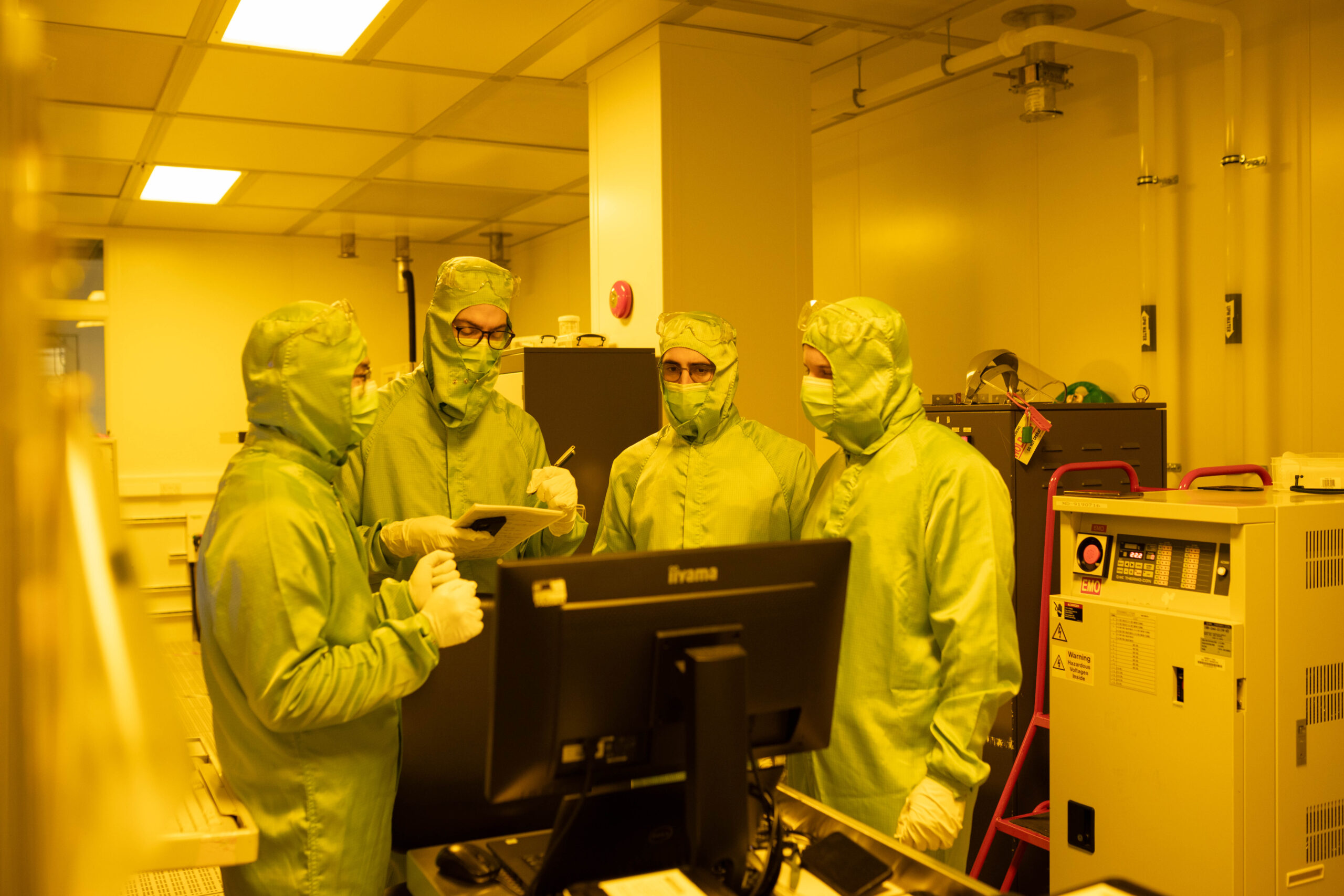
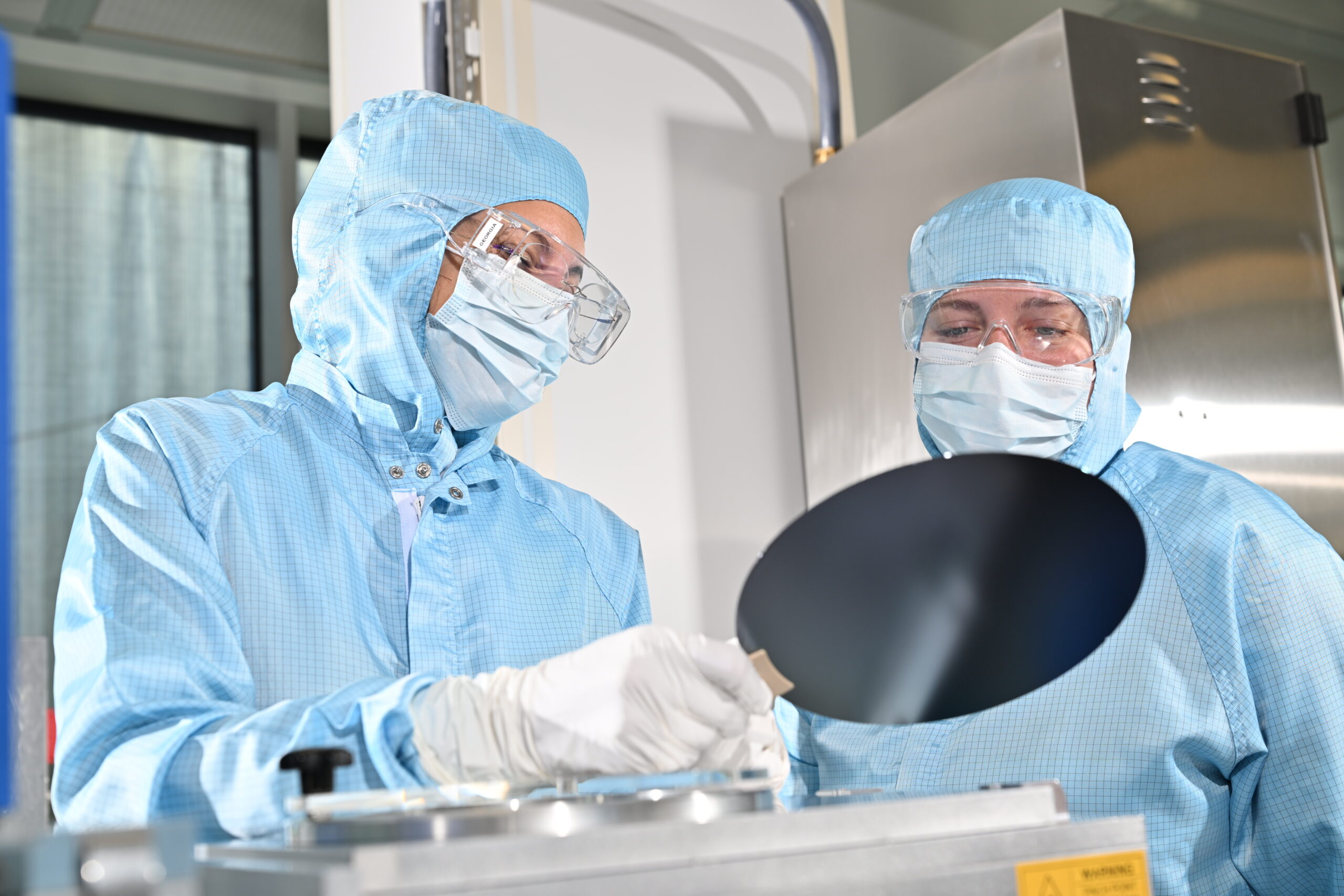
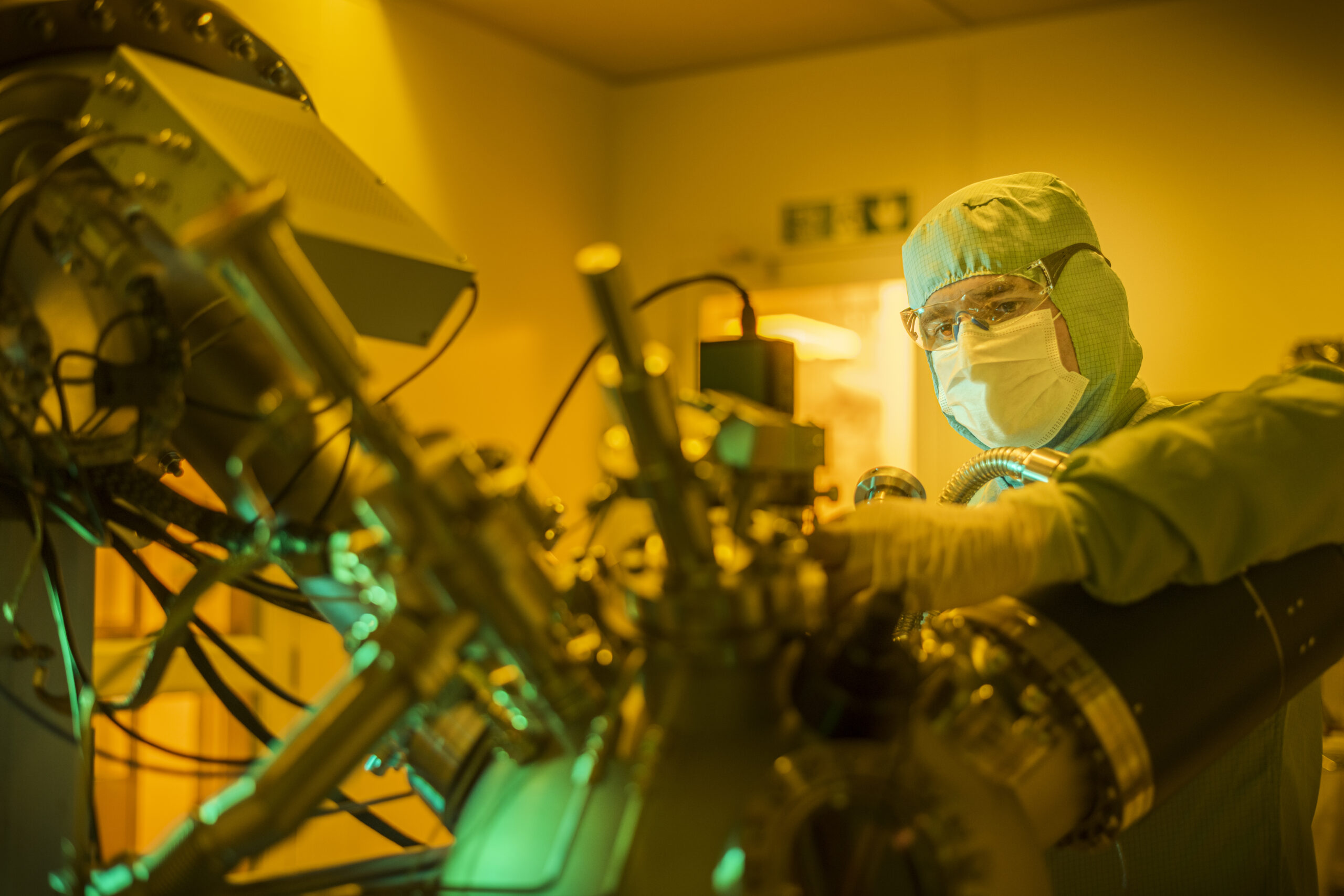
Within this evolving landscape, for the UK coordinated action is urgent. Other nations are investing heavily in integrated photonics, and without strong collaboration the UK risks losing its early lead. C-PIC plays a crucial role in ensuring this doesn’t happen. By providing state-of-the-art cleanrooms and fabrication tools – including the newly installed JEOL electron beam lithography (E-beam) systems which allow for closer mimicking of the processes seen in industry– and acting as a neutral, trusted hub, it lowers barriers to collaboration and reduces risk for all stakeholders.
Beyond technology, C-PIC exists to connect the ecosystem: linking researchers with application engineers, introducing investors to emerging innovators, and working with the government to build an understanding of the opportunities ahead.

Market Complexity and the Timing of Innovation
Technical excellence on its own rarely delivers market traction. Strategic partnerships must therefore focus not only on generating technical capability but also on maximising market opportunities. Even the most advanced SiPh device will only succeed if it meets market demands for cost, tooling, integration effort, and compatibility with existing systems, since adoption depends on how seamlessly a new technology fits into established value chains and how convincingly it demonstrates economic benefit.
Yet no one can predict with certainty where SiPh will achieve its biggest breakthroughs. Different sectors adopt at very different rates and often for reasons unrelated to pure performance. Data communications have clear roadmaps, but emerging areas such as quantum, biosensing, automotive and AI accelerators are still exploring how SiPh can best be deployed or, in many cases, have yet to engage with the technology at all.
This unpredictability makes breadth essential. The more research and prototyping activity there is across multiple domains, the higher the chance of uncovering the applications that will drive adoption. In a technology’s early phases, the market itself must be allowed to select the winning use cases, but that can only happen if enough projects are pushed into the ecosystem to be tested, refined, and recognised by the right players.
Even with these uncertainties, SiPh has significant advantages. Compared to traditional electronics, it offers lower power consumption, higher bandwidth, and the ability to move data at scale without the heat and latency constraints that increasingly limit electronic interconnects. It also holds a clear advantage over less mature photonics platforms because its CMOS compatibility allows it to leverage proven semiconductor infrastructure and tooling. This makes it one of the few photonics technologies genuinely ready for commercial scaling – but readiness is not the same as inevitability. Global competitors are moving quickly, and once ecosystems and supply chains consolidate elsewhere, the window for UK leadership will narrow.

This is where C-PIC provides a crucial timing advantage. Acting as a neutral hub at the intersection of industry and academia, it lowers barriers to prototyping by giving researchers and start-ups access to state-of-the-art infrastructure and design enablement, while connecting them with industry early to align requirements. By making it possible to run more projects, faster, and with less risk, C-PIC increases the odds of uncovering the breakthrough applications that will anchor the UK in the global SiPh supply chain. SiPh’s success – and the UK’s leadership – will not be determined by any single project or technology, but by the breadth of activity it can sustain and how effectively it turns research strength into market-ready innovation.
[1] https://www.marketsandmarkets.com/Market-Reports/silicon-photonics-116.html
[2] https://www.grandviewresearch.com/industry-analysis/silicon-photonics-market
[3] https://www.gov.uk/government/publications/national-semiconductor-strategy/national-semiconductor-strategy