
From Research to Startup: CEO of Deep Fabrication Yasir Noori’s Future Worlds Journey
“Just go for it. You lose nothing by applying.” That’s Yasir Noori’s advice to researchers thinking about the next Future Worlds cohort. The CEO of Deep Fabrication explains how the programme helped him move from academic to founder, and how it led to a CORNERSTONE grant to make his first chips in our fab.
Future Worlds is the University of Southampton’s on-campus startup accelerator, helping founders commercialise their ideas with funding, mentoring and a network of investor support. Their ethos is to challenge researchers to ask “why not?” and give them the support they need to think big and pursue the business ideas that could change our world.
At CORNERSTONE, we support this initiative through Future Worlds’ silicon photonics cohort, championing the world-class research happening here in Southampton and strengthening the UK silicon photonics and semiconductor ecosystem.
With applications for the next Future Worlds Cohort opening soon, we caught up with Yasir Noori, CEO of Deep Fabrication, to hear about his experience on the programme and what advice he’d give to future researchers with a startup idea in mind.
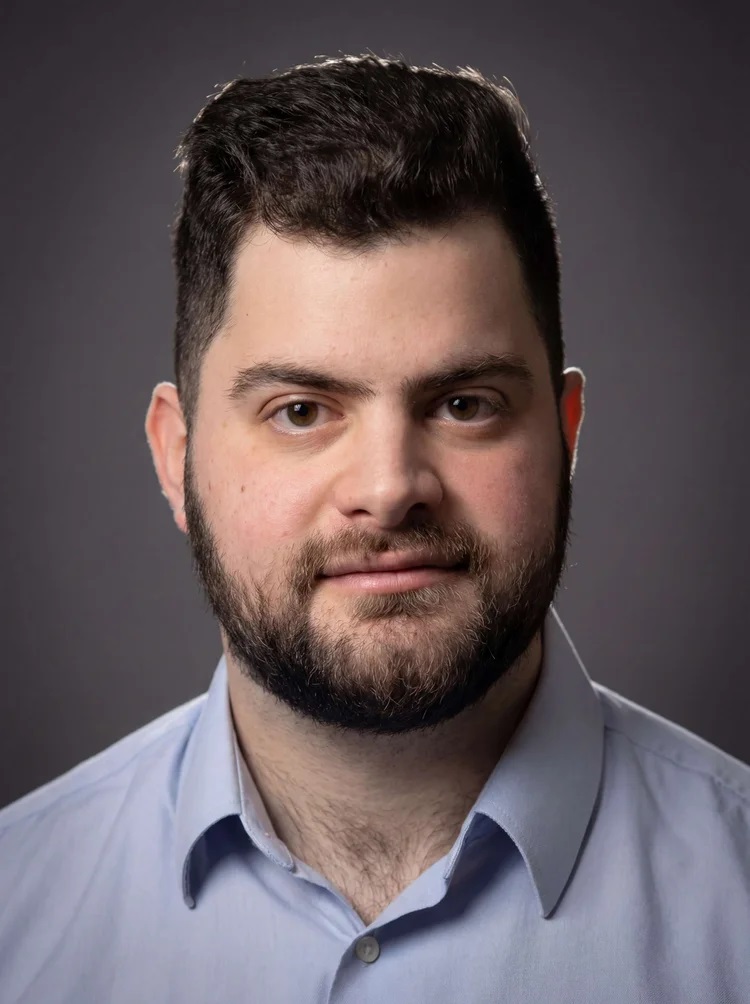
Yasir Noori, CEO of Deep Fabrication
What made you apply to the Future Worlds Cohort?
I came from an academic background, so while I had a business mindset and a strong interest in commercialising technology, I didn’t have the practical experience to build a company to match.
Future Worlds is a highly respected startup accelerator, and I really saw it as the link between being a researcher and founding a company. It was an opportunity to learn how to take an idea beyond my research environment and start thinking about what it takes to create a business around it.
My startup, Deep Fabrication, is focused on solving a challenge that affects chip manufacturers around the world: how to prevent defects earlier in the chip manufacturing process. We are developing AI tools that can help reduce the cost, time and uncertainty involved in developing chips. There is a gap in the market for the technology, but I needed support on how to turn that into something commercially viable.
What did you learn through the programme that you would not have known otherwise?
The programme gave me a much more practical understanding of the language and mechanics involved when building a startup. Before Future Worlds, I had heard terms such as ‘MVP’ – minimum viable product – ‘funding rounds’ and ‘equity’, but I didn’t necessarily understand what they involved in reality.
The Cohort helped me to understand these essential parts of running a business and think about Deep Fabrication not only as a technical solution, but as a business: who the customers are, what problem we are solving for them, and how we reach them.
For researchers, that shift in mindset is important. You begin by focusing on the science itself, and then broaden your understanding to include the market and the customer – it’s the shift from being an academic to being a CEO.
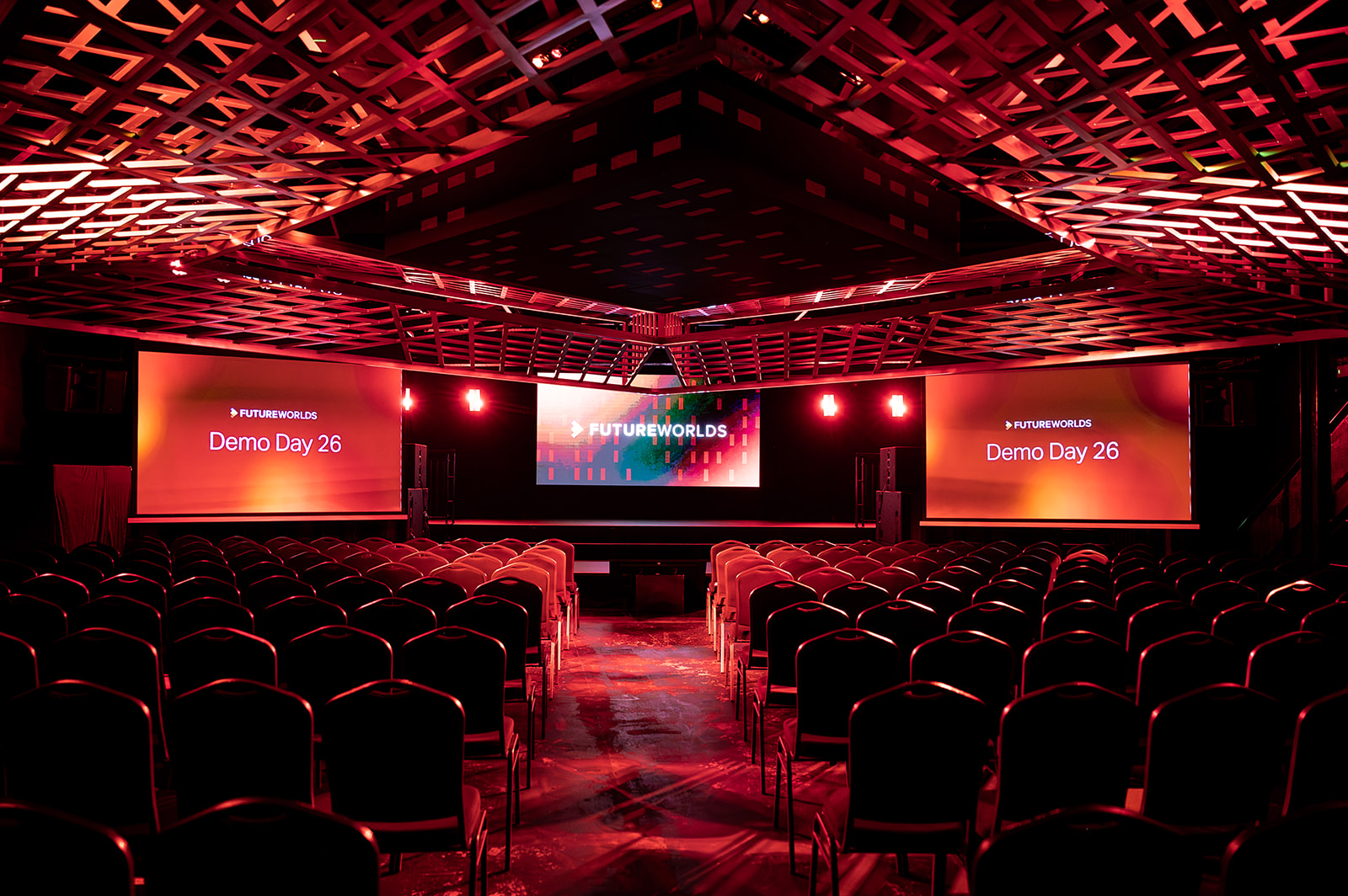
Future Worlds Demo Day 2026
There is also a strong support network in the cohort, which was something I was pleasantly surprised about. As a solo founder, having access to mentors, fellow founders and the wider Future Worlds community was incredibly valuable. There is a great social side to the Cohort too, which makes a real difference. It turned what could have been overwhelming or daunting into an adventure.
What impact has the programme had on Deep Fabrication?
One of the biggest outcomes for Deep Fabrication has been securing funding through a CORNERSTONE grant to manufacture chips in the fab and develop our own MVP.
This has helped the company move from thinking about what the technology could do to developing something we can test and demonstrate in a manufacturing context.
It also meant that the connections built during the programme did not simply stop when the Cohort ended. I was able to continue collaborating and deepening my relationship with the people and organisations I had met along the way.
The programme also created opportunities to meet investors through the Demo Day. For a solo founder, it can be difficult to create those connections independently – Future Worlds gave me a platform to start conversations and build up my network over time.
How do you feel coming out of the programme?
I feel humble, but confident. The programme has helped me understand the industry better and given me a clearer sense of where Deep Fabrication fits within it. At the same time, it has made me aware of how much there still is to learn!
Building a company is unpredictable and exciting. Some parts of the journey can feel scary, particularly when you are entering new areas or making decisions without having all the answers. But that is part of the adventure. You learn, adapt and keep moving forward.
What advice would you give to someone considering applying?
Just go for it. You lose nothing by applying and you will learn about your startup idea simply through the application process.
At an early stage, there are always many unknowns. Writing an application means explaining your idea, considering your business plan and defining what your product might look like. It forces you to start thinking in business terms, rather than as a researcher.
The process will help answer some of the questions you already have – and it will probably raise a few more. But that is useful. It gives you a clearer idea of what you need to explore next.
–
If you have a startup idea in silicon photonics and are looking for support to take the next step, register your interest for Future Worlds Lab to Launch
Explore how we can support your journey: C-PIC Innovation Fund – CORNERSTONE | Technology platforms