
Duality: Listen to Light brings science and music together at the British Science Festival 2026
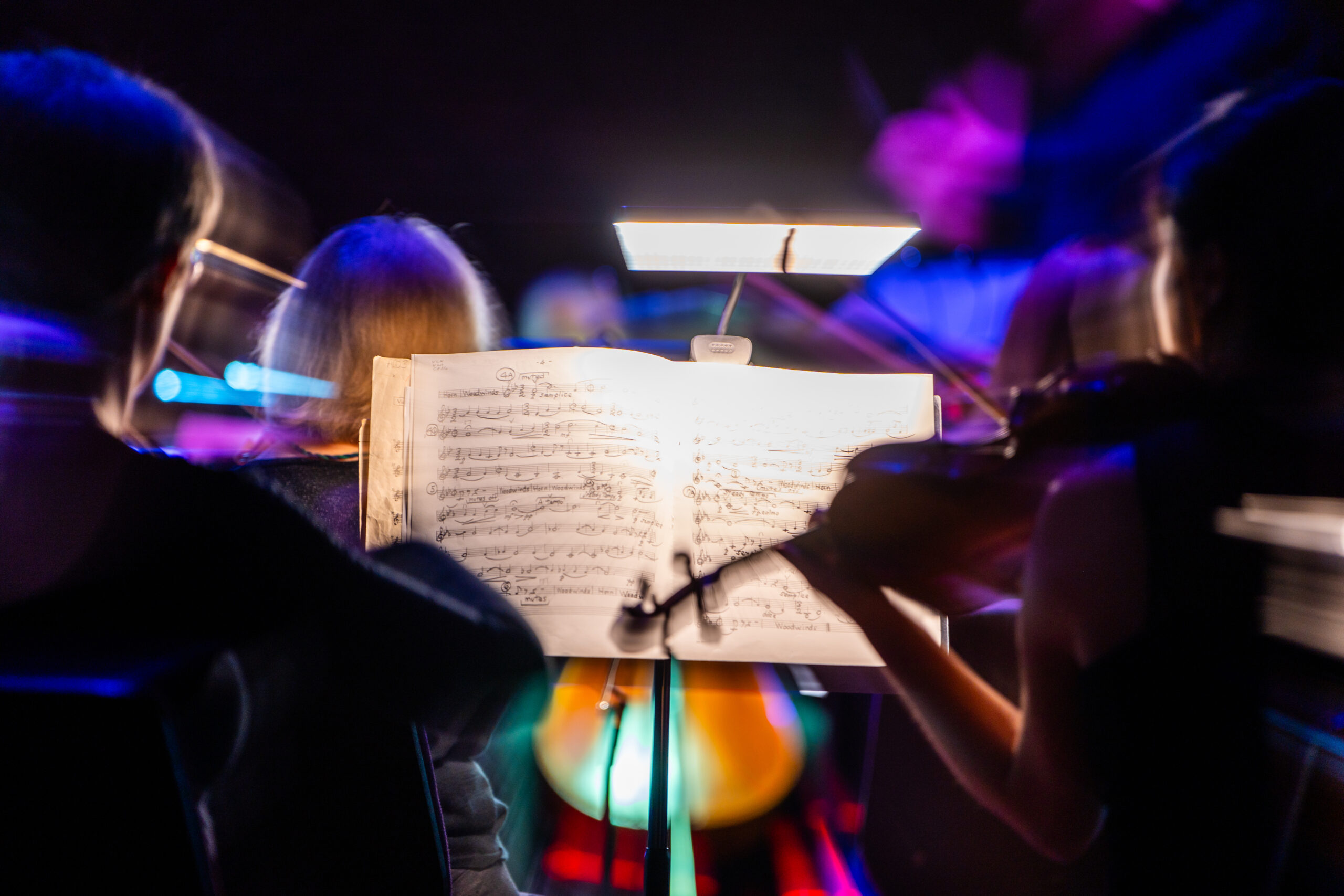
On Saturday 19th September, we were proud to host Duality: Listen to Light as part of the British Science Festival, bringing together music, physics and photonics for an evening exploring the fascinating nature of light and the quantum world.
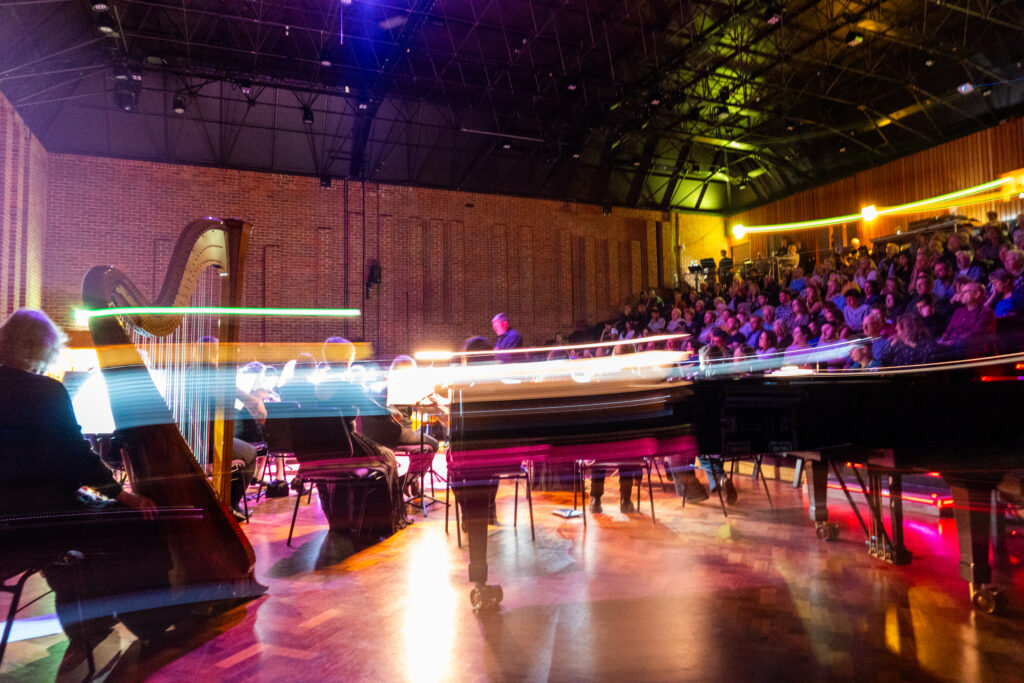
There was a real energy throughout the event, as live orchestral music and science came together to explore our evolving understanding of light. Audiences heard music spanning the 19th, 20th and 21st centuries, with the programme drawing connections between music and the scientific ideas that have shaped our understanding of light.
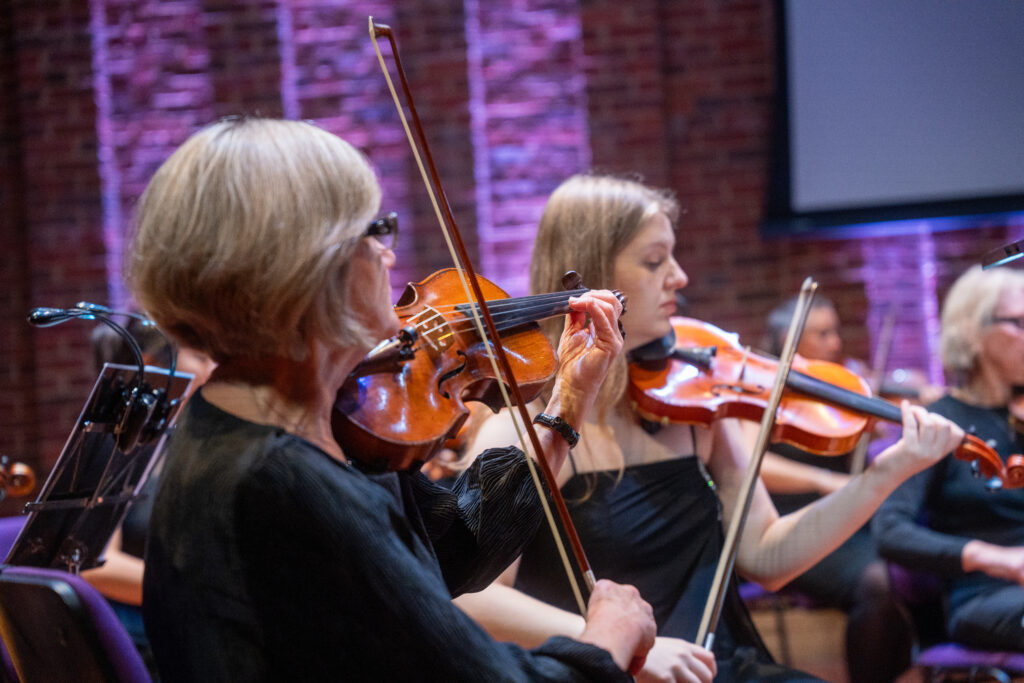
Conceived by Dr Elinor Twyeffort, Duality: Listen to Light offered an imaginative and accessible way to encounter quantum science. Together with Professor John Traill, Principal Conductor, and the City of Southampton Orchestra, the performance demonstrated how music and science can come together to spark curiosity and help us experience familiar ideas in completely new ways.
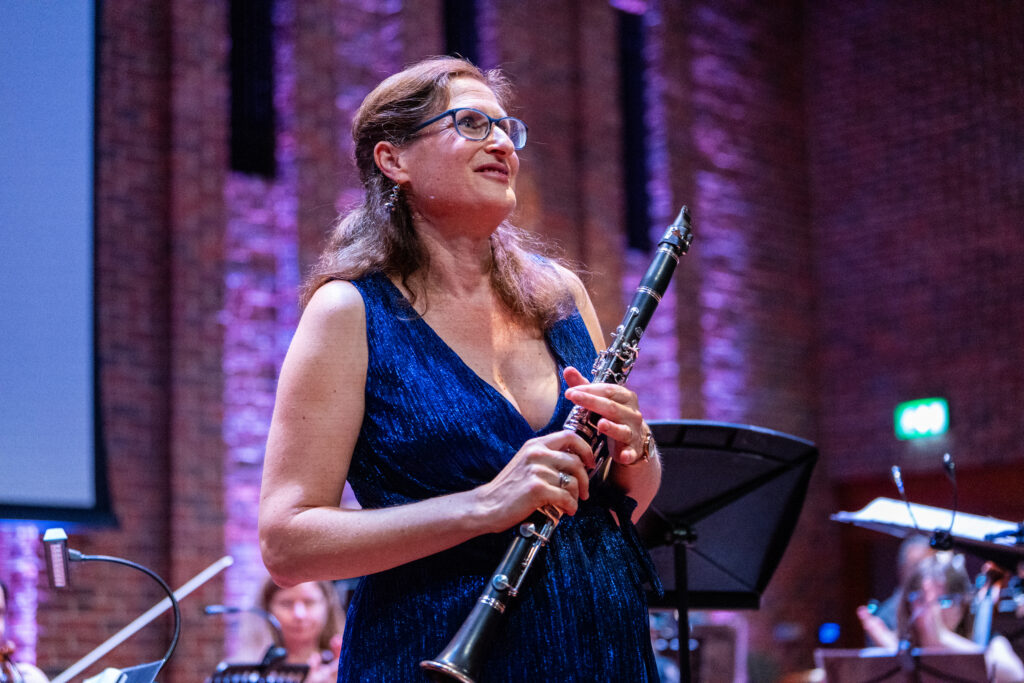
The orchestral performance was exceptional, with Mendelssohn’s Fingal’s Cave standing out as a particular highlight for us. Beautifully dramatic and evocative, it was a wonderful example of the power of music.
Throughout the evening, sound experiments and visual experiences added another dimension to the performance. Complex concepts in photonics and quantum physics were brought to life through explanations and demonstrations exploring the behaviour of light as both a wave and a particle, photons, and the fascinating connections between light, sound and quantum technologies.
Light, photonics and discovery in the foyer
The experience continued outside the concert hall, where the foyer was transformed into a lively space with interactive exhibits before the performance and during the interval. These activities showcased the breadth of research taking place across photonics and quantum science at the University of Southampton and beyond.
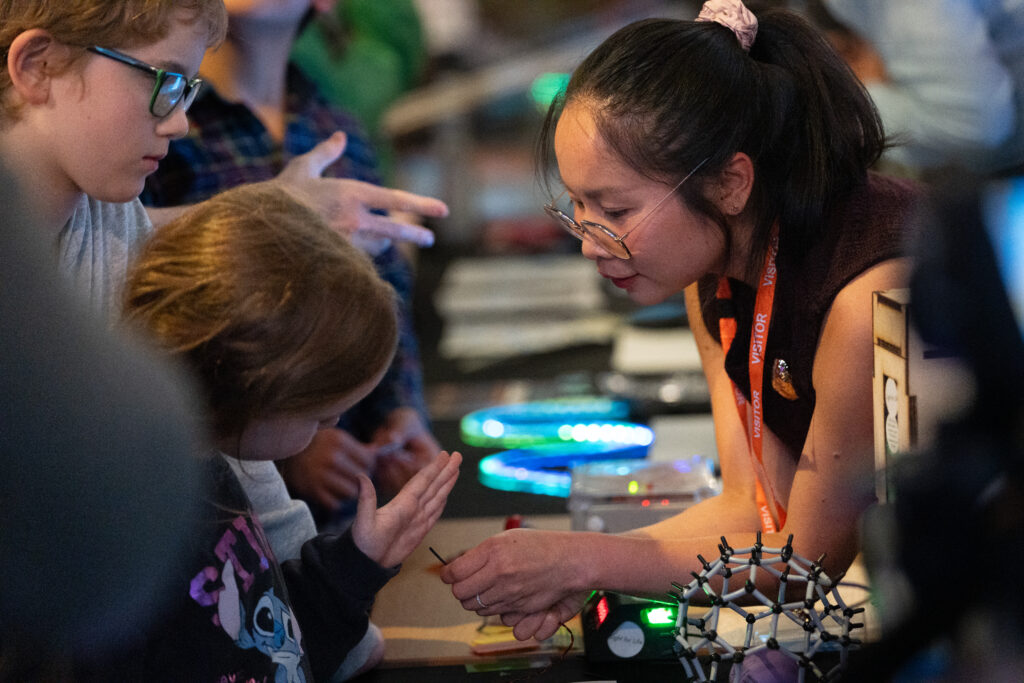
One of the best things about the demonstrations was seeing how they appealed to visitors of all ages. Children, families and adults alike could get involved, ask questions and explore the science for themselves. The activities brought physics to life, making it engaging and playful, whilst also giving visitors the opportunity to speak directly with scientists and researchers working in these fields.
There was plenty to try, including a marble-run-inspired demonstration from the CORNERSTONE Public Engagement Team, which used marbles to represent photons and show how light can be guided and manipulated within a silicon photonic microchip. Visitors also explored the fascinating world of time crystals, made their own microchip keyrings, and used sugar to demonstrate how optical fibres guide light.
Acknowledgements
Bringing Duality: Listen to Light to life was a truly collaborative effort, and we would like to thank everyone who contributed their time, expertise and enthusiasm to making the event possible.
Thank you to Dr Elinor Twyeffort, Professor John Traill and the City of Southampton Orchestra for bringing the musical side of the experience so brilliantly to life.
The foyer programme brought together demonstrations from Aquark Technologies, Microsoft, FastNET, the Hollow Core Fibre Group at the University of Southampton’s Optoelectronics Research Centre (ORC), MISSION, Lightwave and the CORNERSTONE Public Engagement Team, showcasing different areas of photonics, quantum science and technology.
Our sincere thanks go to Dr Pearl John, the University of Southampton Public Engagement with Research Unit (PERu) and the British Science Association; to our sponsors, Libby Battaglia and Light Up Trails, and the EPSRC Centre for Doctoral Training in Quantum Technology Engineering and Professor Tim Freegarde; and to Turner Sims for hosting the event. We are incredibly grateful to everyone who contributed to making Duality: Listen to Light possible.