
PIC Bootcamp Wrap-Up: Training the Next Generation of UK Silicon Photonics Talent
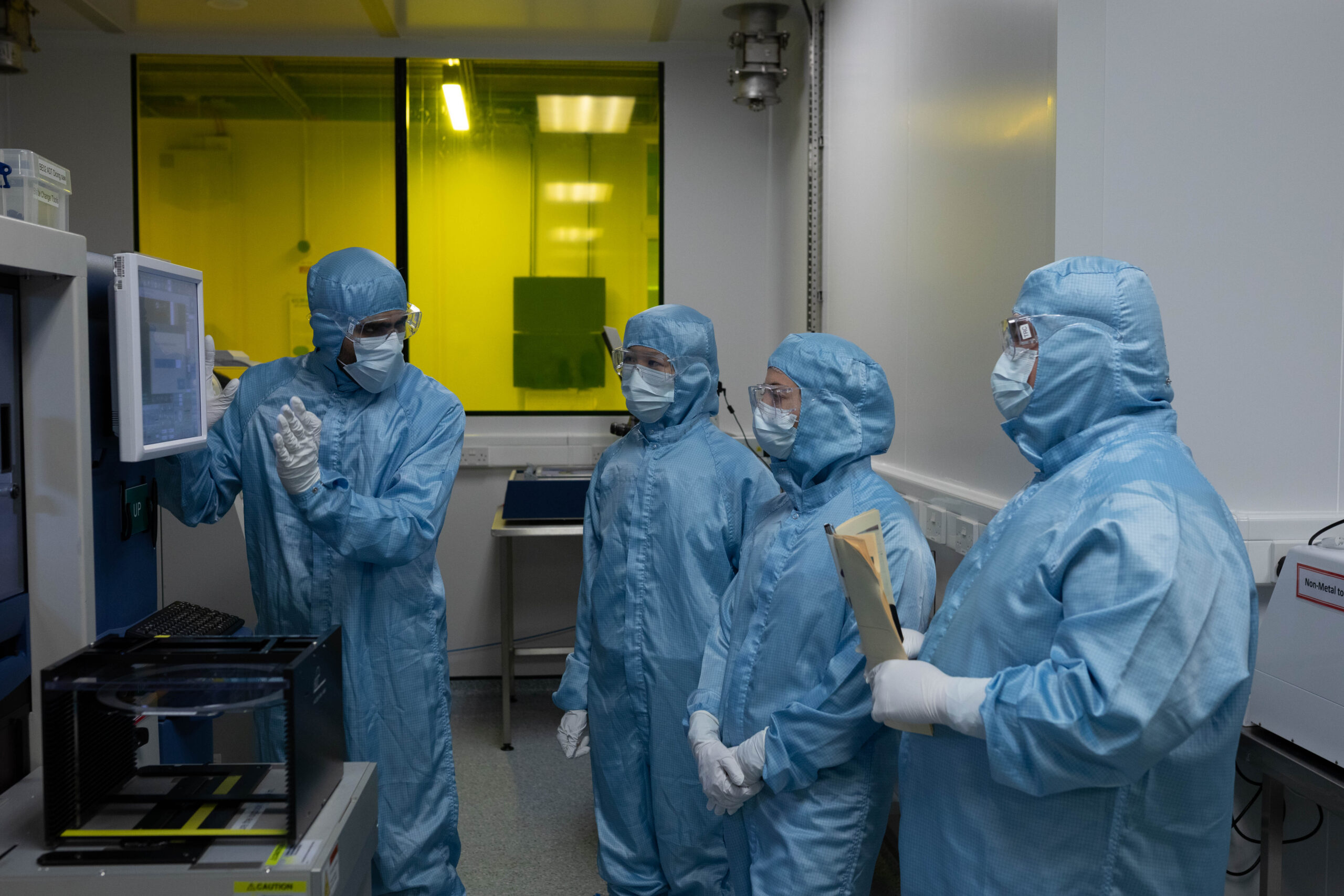
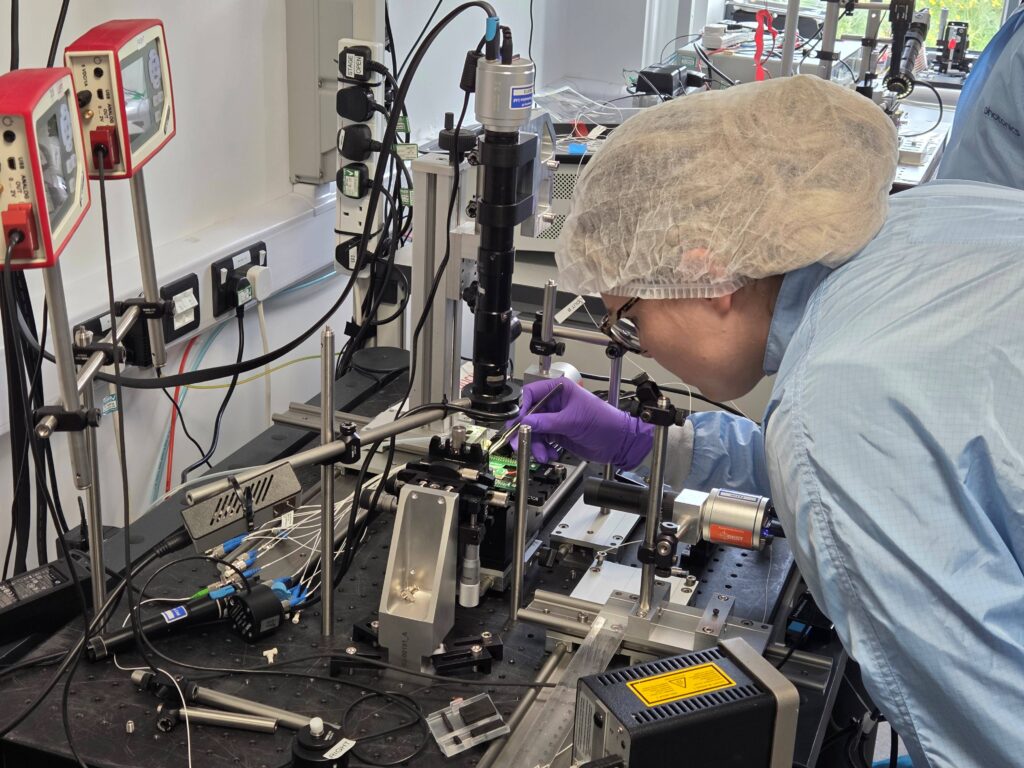
PIC Bootcamp brought together participants from across the photonics ecosystem for intensive, hands-on training and introduction to photonic integrated circuits (PICs). Designed to bridge the gap between theory and practice, the course gave attendees the chance to explore the full PIC workflow, from design and fabrication through to testing and packaging, with support from our industry experts.
As an open-access silicon photonics foundry and innovation hub, we are proud to play a part in building capability across the sector. The PIC Bootcamp reflects that mission in action, helping researchers, engineers, start-ups and industry professionals build the skills and confidence needed to develop the next generation of photonic technologies.
Why PIC Bootcamp was created
The PIC Bootcamp began with a simple but important question: how can we help close the skills gap in photonic integrated circuits?
Conversations across the photonics community showed that while there is no shortage of interest, there is a real need for more practical, industry-ready PIC expertise.
Standard university pathways can provide a strong foundation, but do not always offer the hands-on experience needed to support commercial development. We also heard from companies that wanted a clearer understanding of when PICs should be considered in product design, and what level of commercial risk they might carry.
With support from a skills grant from Innovate UK, our team came together to build a training programme centred on skills with real-world relevance. The course combines university teaching developed by the University of Bristol with Southampton’s fabrication expertise, alongside industrial insights from Wave Photonics and Bay Photonics, while also being supported with licenses by Ansys and Luceda. Anchored In played an important role in helping us to align the programme with industry needs.
Hands-On Training in Photonic Integrated Circuits
Rather than focusing solely on theory, the sessions guided participants through the key stages of PIC development, including design, simulation, layout, fabrication, and testing.
The bootcamp is split across 6 modules – Explorer, Enthusiast, Practitioner 1(Introduction to Simulation), Practitioner 2 (Introduction to Chip Circuit Layout for Fabrication), Practitioner 3 (Introduction to Fabrication) and Practitioner 4 (Introduction to Packaging).
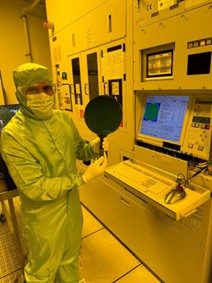
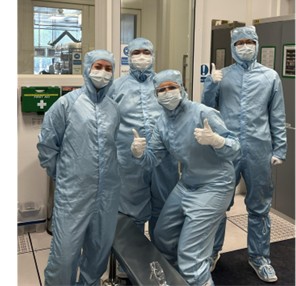
A central part of the programme involved participants spending time in our facilities and cleanroom, where they could understand process constraints and observe the transformation of digital designs into physical chips.
The final stage covered packaging requirements in collaboration with Bay Photonics, helping participants understand the steps needed to make a chip functional for real-world applications.
In photonics, success depends on understanding how design decisions translate into practical performance. By giving participants exposure to the full process, the bootcamp helped demystify PIC development and show how ideas move from concept to chip.
Participant Feedback
The feedback from participants was incredibly encouraging. Their reflections showed just how valuable it can be to combine expert-led teaching with access to tools, workflows and cleanroom experience. Here’s what they had to say:
“Attending the PIC bootcamp was an extremely valuable experience, providing a comprehensive understanding of the complete photonic integrated circuit development process from design through to fabrication, testing, and packaging. What made the course particularly beneficial was its highly hands-on approach, with access to design software, cleanroom fabrication facilities, testing equipment, and practical exposure to packaging technologies.
The course offered a unique opportunity to experience the full PIC workflow rather than focusing on isolated aspects of the technology. It not only provided practical skills and real-world experience working with PIC devices, but also highlighted the current challenges, limitations, and future opportunities within the field for commercialisation.
Overall, the bootcamp provided an excellent balance between theory and practical implementation and is highly valuable for anyone looking to develop a deeper understanding of photonic integrated circuits and their future potential.”
– Muhammad N. Malik, Ph.D, Senior Research Engineer, ViaLite Communications
“PIC Bootcamp provided a fast-paced and engaging introduction to PIC design and simulation, with 1-1 support from industry professionals, in a friendly environment. Ongoing access to software tools for practice after the course is particularly valuable as well.”